
Description


Patchouli Essential Oil is a heady combination of aromas – exotic, musky, spicy, earthy; rich, woody, balsamic, sweet, floral– wafts from the time smallest bottle of patchouli essential oil. It’s a distinctive and memorable enormous staying power that cinches other balsamic oils such as myrrh.
It’s the fragrance of the original India ink and Chinese red ink paste, the scent of 1960s American hippie incense and massage oils, the smell used by 19th century European entrepreneurs to identify authentic oriental goods (stored with patchouli by Asians for moth repellency). Aromatherapists have long valued patchouli’s fragrance and tenacity, as its highly therapeutic effects.
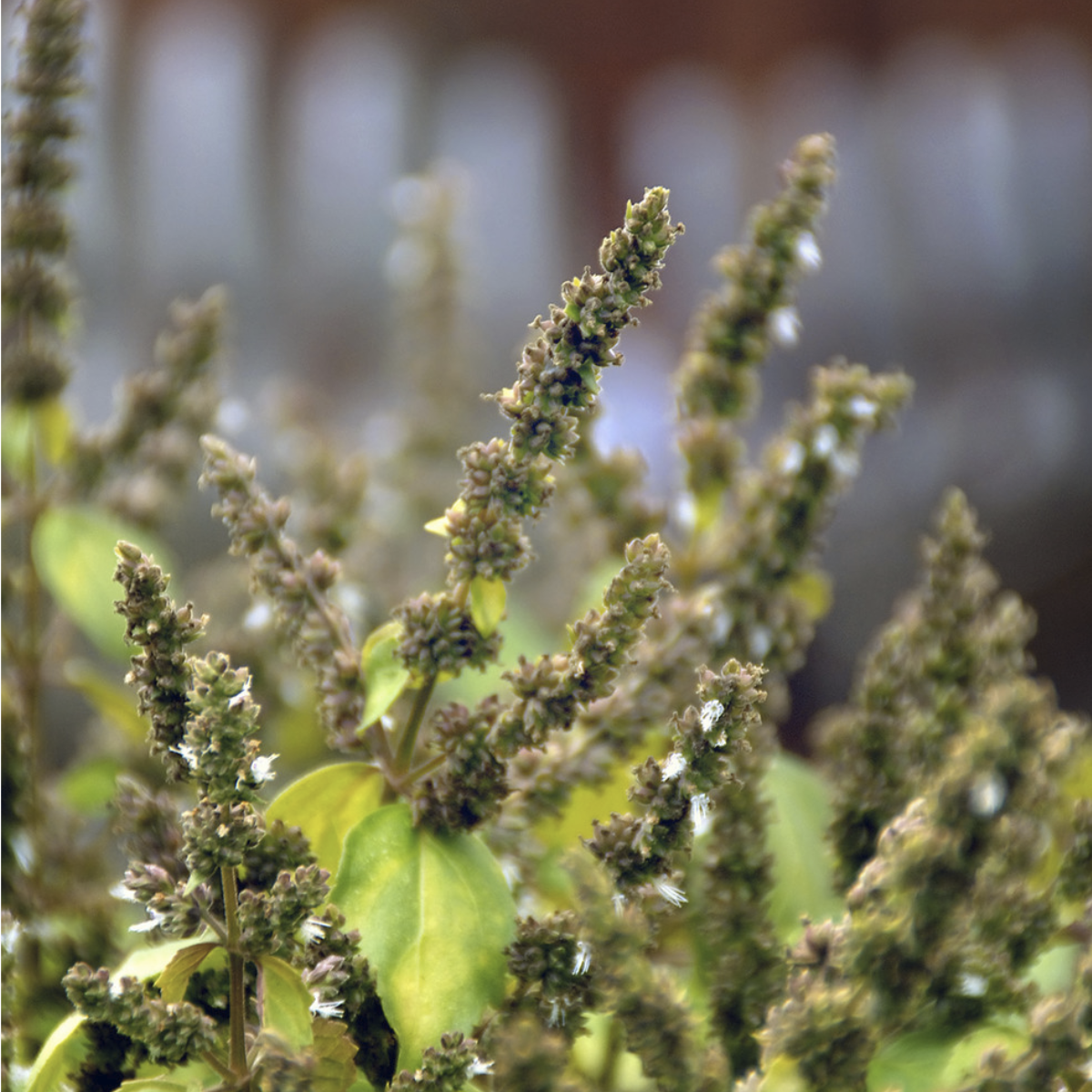
Native to Malaysia, the patchouli plant is distantly related to lavender and rosemary. The young leaves of the tender, aromatic plant are dried and fermented before being steam distilled. Patchouli that has recently been distilled has a fresh, green, slightly harsh aroma, but aged patchouli sweets and mellows, improving with time like fine wine. It’s a yellow-brown, thick, viscous, sticky oil–with enormous staying power that cinches its role as a fixative in perfumes, cosmetics, and aromatherapy perfumes.
Patchouli blends well with many other scents. While its elusive, floral, sweet qualities provide an excellent top note, its rather heavy, earthy, spicy components serve as a wonderful base note in floral blends. Try it with geranium, lavender, rose, neroli, jasmine and clary sage. To heighten the spiciness, add a touch of cinnamon or cloves. Patchouli also complements other woody oils like sandalwood, rosewood and cedarwood–and balances fresh, crisp citrus scents like bergamot or lemon. And its balsamic notes produce evocative effects when combined with other balsamic oils such as myrrh.
Aromatherapists rely on patchouli for its ability to both relax and inspire. Like peppermint, ylang ylang and rose, it increases activity in the sympathetic nervous system, and so has an uplifting, stimulating, tonifying effect. At the same time, patchouli comforts and soothes with its warmth and depth of aroma. It has a long standing reputation for being a romantic, even well aphrodisiacal, scent.
Once you open that little bottle, you’re apt to find myriad uses for patchouli. Its alluring fragrance is ideal for bath oils, skin lotions, hair treatments, massage oils and, of course, diffusing into, the air. And as its scent lingers, so will its wonderful aromatherapy effects.
Botanical Name: Pogostemon patchouli
Family: Lamiaceae
Country of Origin: Indonesia
Part of Plant Used: Dried leaves, usually subjected to fermentation
Blends Well With: Bergamot, black pepper, clary sage, frankincense, geranium, ginger, lavender, lemongrass, myrrh, neroli, rose, rosewood, sandalwood, ylang ylang
Common Uses: Anxiety, depression, wounds
Characteristics: A strong earthly and exotic fragrance
Extraction Method: Steam distillation
Healing Properties: Antidepressant, antiphlogistic, antiseptic, aphrodisiac, astringent, cicatrisant, cytophylactic, deodorant, diuretic, febrifuge, fungicide, insecticide, sedate, tonic


Reviews
There are no reviews yet.